archive

* This article has been edited and reconstructed based on the report submitted to the Kawamura Foundation for the Promotion of Culture and Arts.

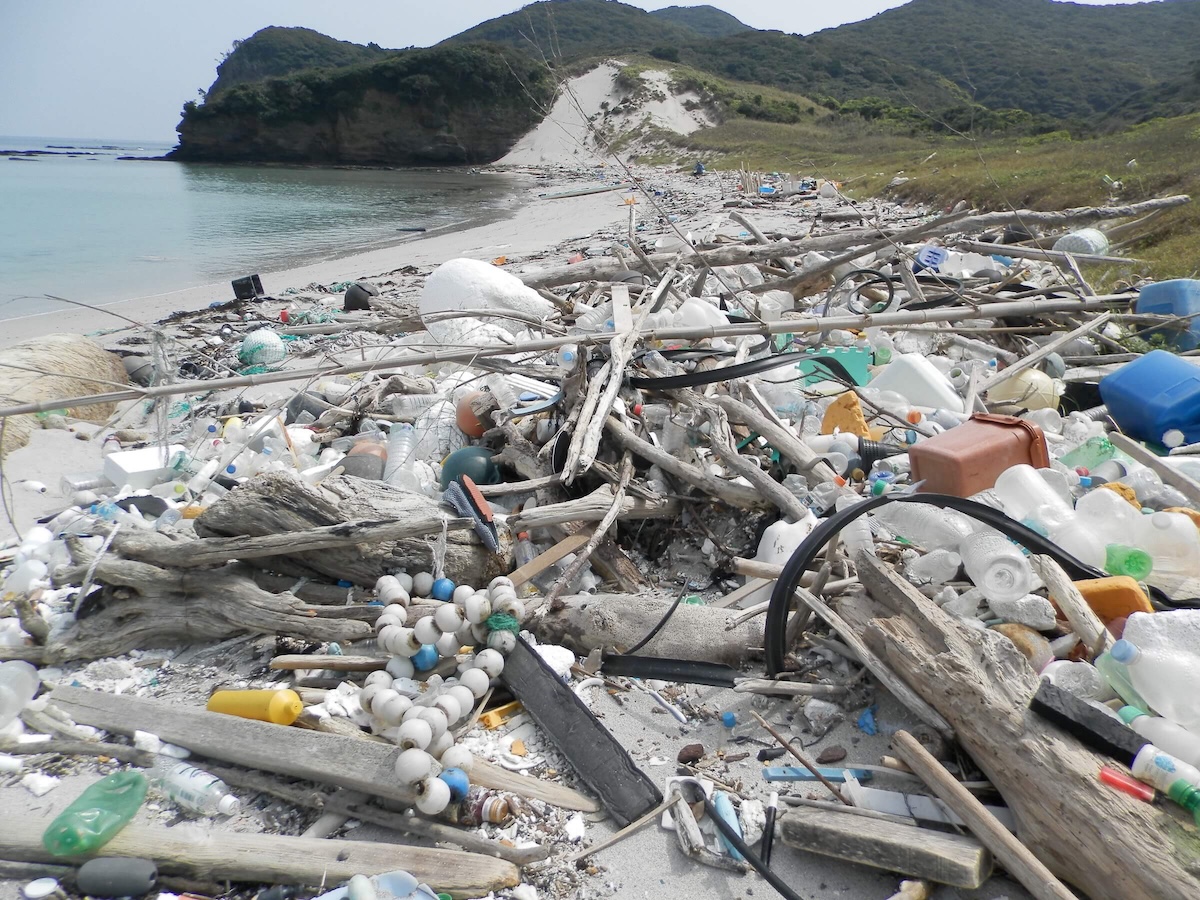
  • Project to build a solar-powered kayak from trash that has washed ashore in Tsushima, the biggest marine plastic waste landfill in Japan.
    Project Name: Project to build a solar-powered kayak from trash that has washed ashore in Tsushima, the biggest marine plastic waste landfill in Japan.
    Applicant: Hydroblast

    Hydroblast is a collective founded by film director and actor Shingo Ota to create works across film, theater, and the visual arts. Ota has been collaborating with artist Sachia Kanou for several years.
    While continuing to create with Kano, we confronted the reality of the coast of Tsushima City, Nagasaki Prefecture, being overwhelmed by washed-up trash. In this town—which receives the most marine plastic waste in Japan—they conceived a project to build a solar-powered kayak using the washed-up trash as material, and have been refining prototypes. We plan to launch the full-scale project in the summer of 2023, document the process, and transform it into a lecture-performance, a video work, and a rap piece. The purpose of this project is to demonstrate—through the process of “upcycling washed-up plastic waste into a kayak”—that even trash can be utilized as a material depending on the idea behind it, and to share this message with the public.

    view the details

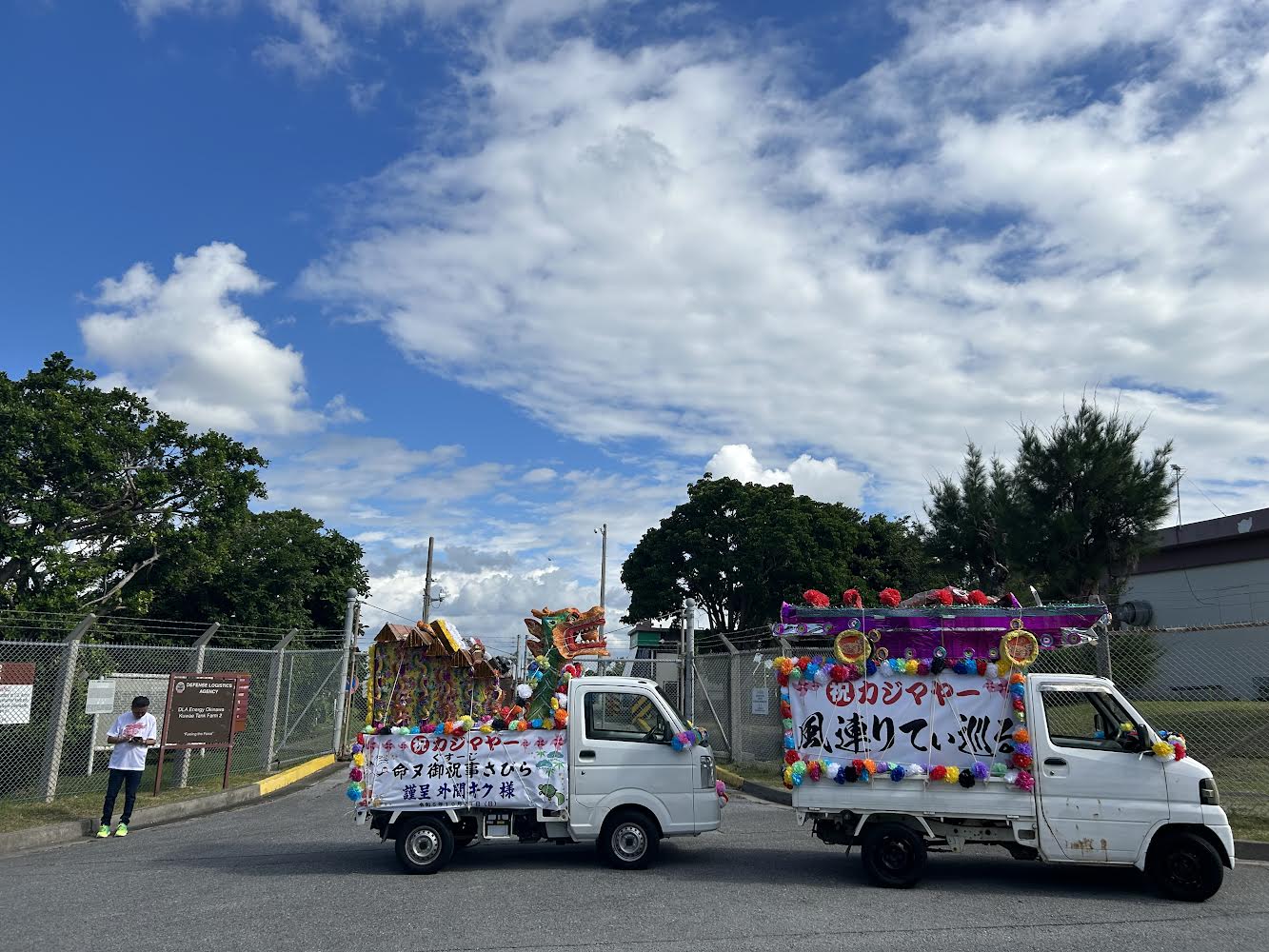
  • Re-heat and Reborn
    Project Name: Re-heat and Reborn
    Applicant: Yukina Komiya

    In November 2021, my grandmother in Okinawa passed away at the age of 93 while looking forward to celebrating “Kajimayaa,” the Okinawan longevity celebration for her 97th year, according to the traditional counting system. Due to travel restrictions and quarantine measures during the COVID-19 pandemic, I was unable to travel back to Okinawa from Taiwan, where I am currently based. Her final moments, the wake, the interment, and the funeral—all I could do was join them remotely through a screen. In reference to “Zhǐ zā,” the traditional paperwork often seen in, and essential to, Chinese religious rituals and funerary practices, my grandmother’s Kajimayaa was conducted in this project. Zhǐ zā includes various types of paper offerings, from paper effigies of different deities to replicas of everyday items such as houses and cars, all made from paper and burned as offerings so that the deceased may continue to live well in the afterlife.
    The documentation team for the project consisted of members with a wide range of cultural perspectives and sensibilities, including those from Japan, Okinawa, the Chinese-speaking world, Europe, and North America.

    view the details

  • Crossing boundaries with Mockumentary
    Project Name: Crossing boundaries with Mockumentary
    Applicant: Takuro Kotaka

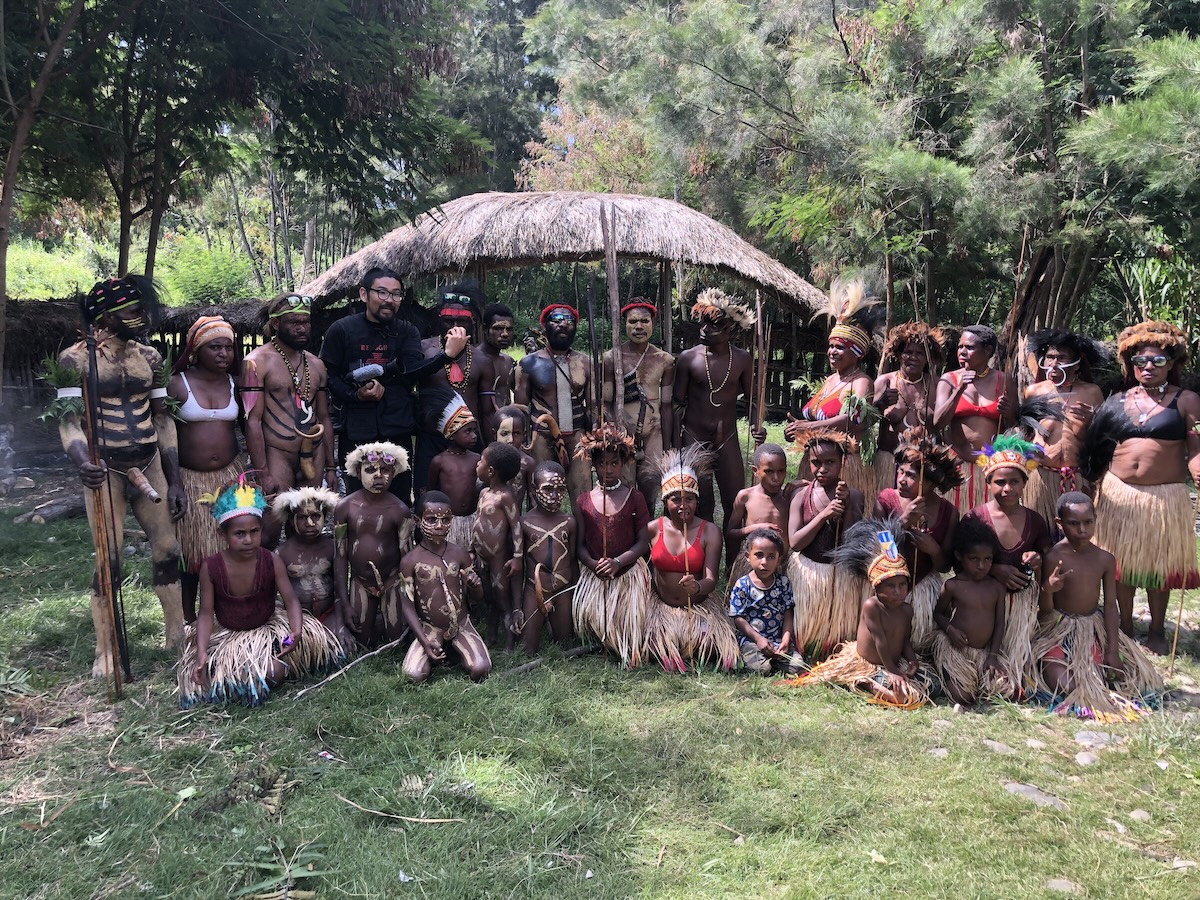
    This project involves the production of a new film in collaboration with artists and musicians from Indonesia and Papua, using a mockumentary approach to explore the fictional “negative legacies” left behind by the Japanese military. The potential filming locations are Yogyakarta in Indonesia, where caves once dug by the Japanese military are preserved as tourist spots; West Papua, where traces of wartime violence remain visible; and various locations in Saitama Prefecture, my hometown. The film will be produced collaboratively with local artists, musicians, and filmmakers from each region.
    A mockumentary is a type of filmmaking expression that emerged in the 1930s, in which a fictional story is presented through a documentary style. Artists who work in politically unstable regions and conflict zones have developed a range of creative strategies to get away from censorship. As I have often collaborated with such artists since 2021, I have learnt about mockumentary films as measures against censorship and practiced the technique through filmmaking.
    For this project, I will collaborate with local artists and musicians from Papuan Voices in Papua and Belum Mati Studio in Yogyakarta to collectively produce a work that examines the negative legacies left by the Japanese military.

    view the details