* This article has been edited and reconstructed based on the report submitted to the Kawamura Foundation for the Promotion of Culture and Arts.
Madang: The Square Where the People Conjure
[Application project]
Madang: The Square Where the People Conjure
[Applicant]
Madanggeuk Project
[Subsidy] 500,000 yen
[Overview]
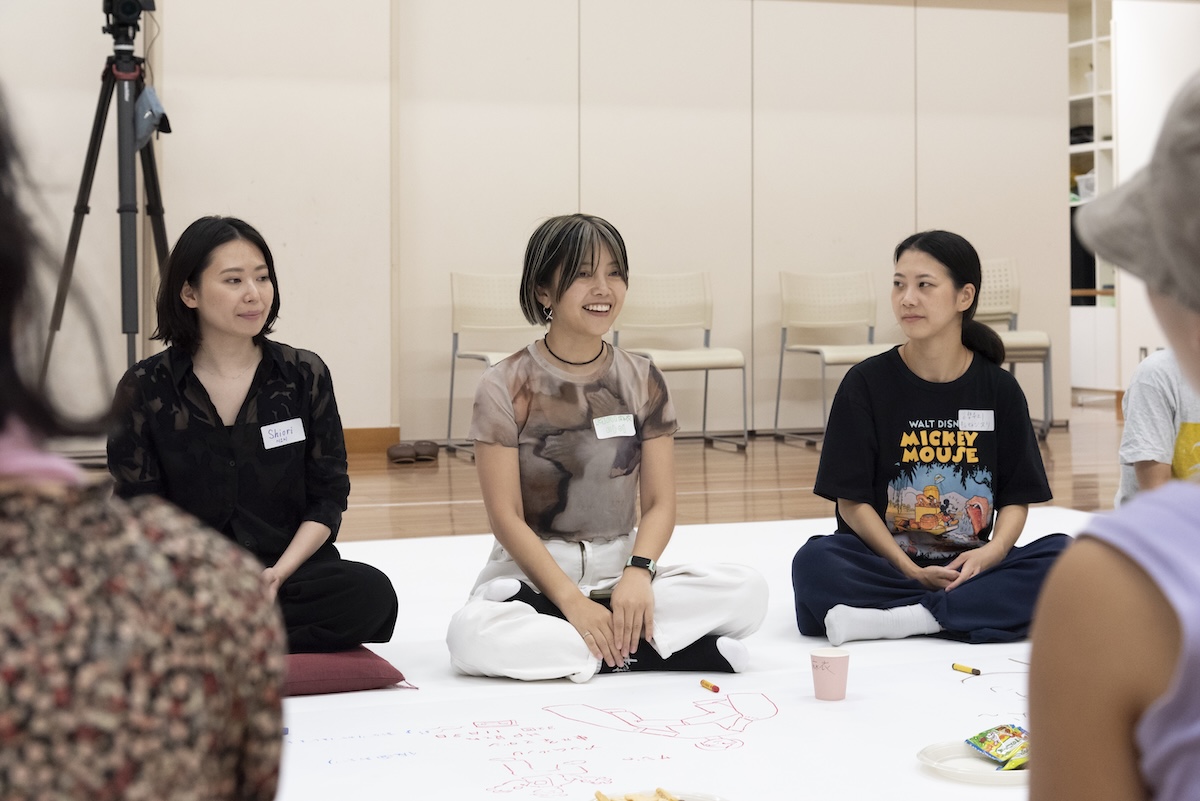
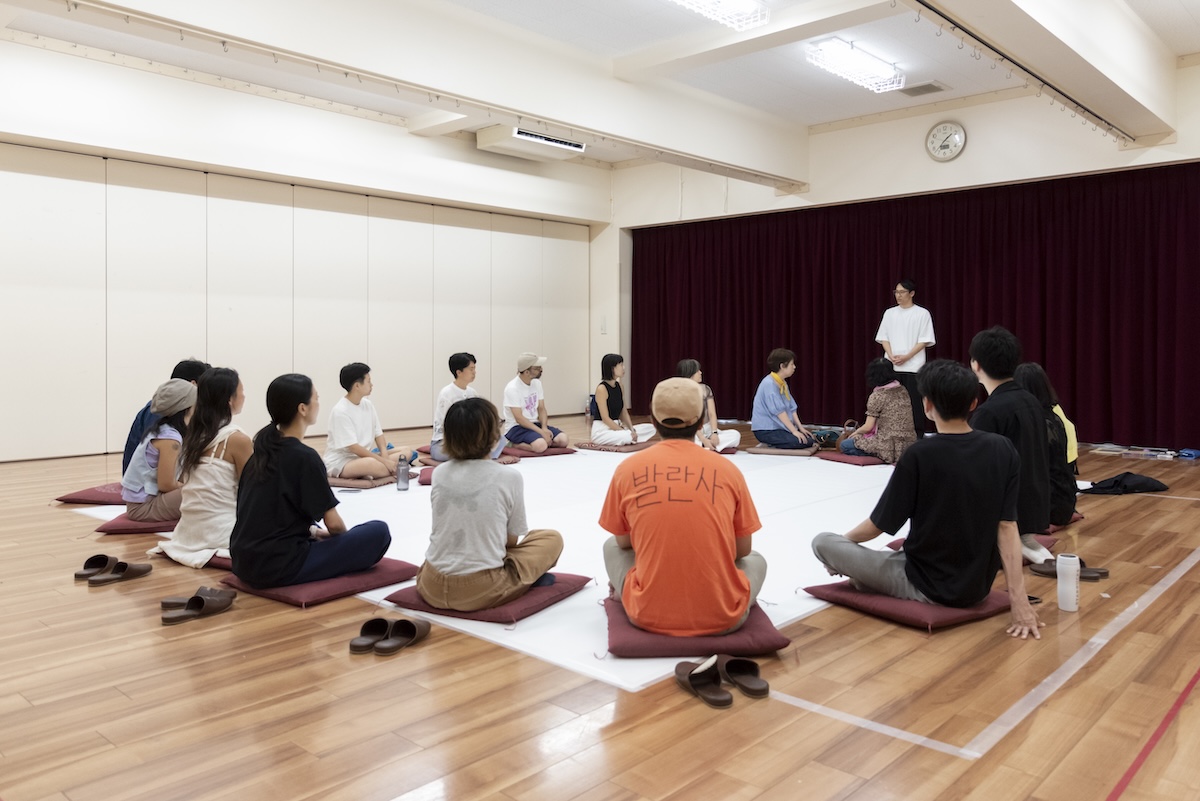
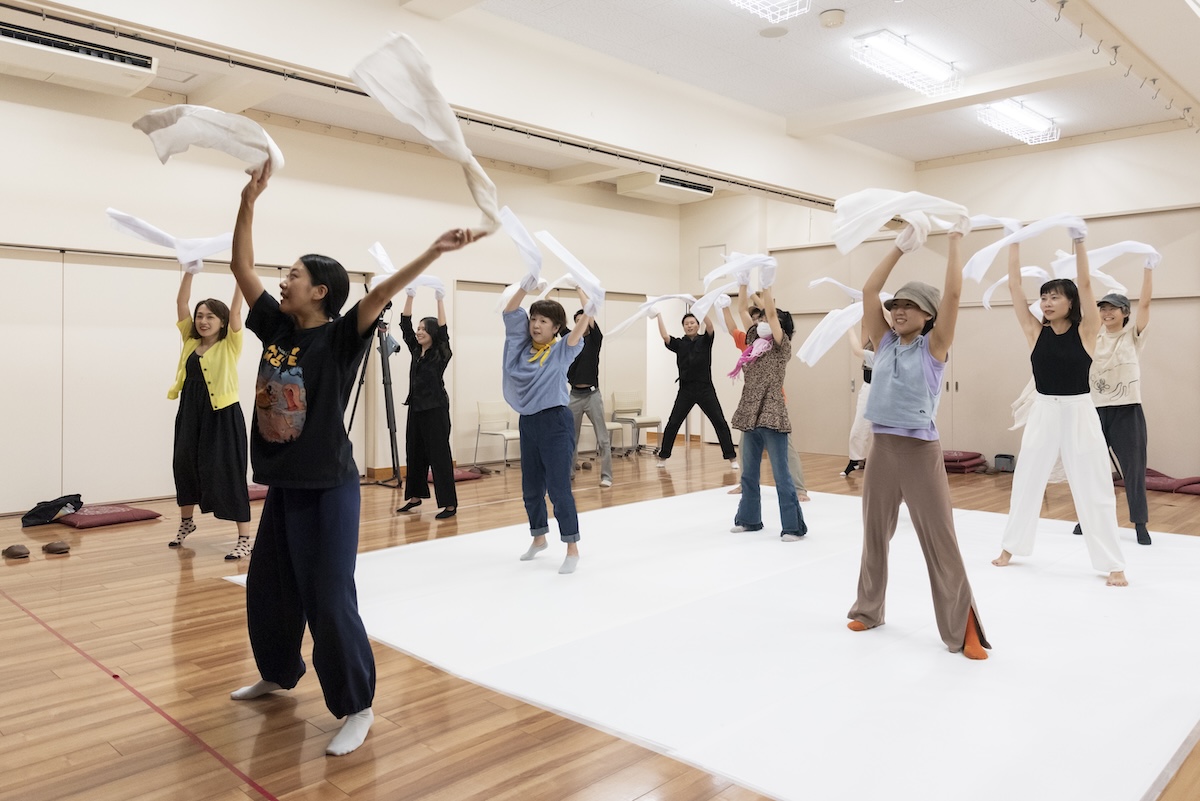
Madanggeuk Project brings together artists, curators, and local communities from Japan, South Korea, and North Korea to collaborate on workshops, performance prototypes, and talk events related to Madang theater, thereby exploring its practical value in contemporary society. (In Korean and North Korean, “Madang” refers to a communal square in a local community.)
Since the 1980s, Madanggeuk in Japan has been performed in various forms within Korean communities in Japan—including the “Higashikujo Madang,” a festival held in Higashikujo, Kyoto, a neighborhood where many Korean residents live—and has addressed issues related to community, multicultural coexistence, and local concerns. However, little attention has been paid to the artistic and historical value of such Madanggeuk.
This project will primarily research the spirit and expressive forms of Madanggeuk in Kyoto. By creating collaborative spaces centered on workshops and performance prototypes, it also aims to present a new interpretation of the contemporary significance of Madanggeuk, which has long depicted the lives of ordinary people in both Japan and South Korea.
[Held / Implemented / Announced]
Participation in Higashikujo Madang “Madang” | 3 November
<Venue> Former Toka Elementary School bldg., Kyoto
Post-performance talk | December 21
<Venue> honkbooks, Shinjuku, Tokyo
<Capacity> approx. 20 people
[Outcome]
[Project Details]
Participating Artists: Mai Endo, Akira Rachi, Sojin Kwak, Hyangsuri Kim
Staff: Sanghae Kwon (management), Ji-won Yoo (accounting), Gyul Ko (production)
Design: Jialun Wang
Photography: Akira Rachi
Video Documentation: Sojin Kwak
Organized by: Madanggeuk Project
In cooperation with: HAPS, ROHM Theatre Kyoto