archive FY2022 ARCHIVE

* This article has been edited and reconstructed based on the report submitted to the Kawamura Foundation for the Promotion of Culture and Arts.

High Heel Project

[Application project]
High Heel Project

[Applicant]
Mari Katayama

[Subsidy] 400,000yen


[Overview]
— We hope high heels will no longer be something extraordinary,
but simply one important choice available to you.
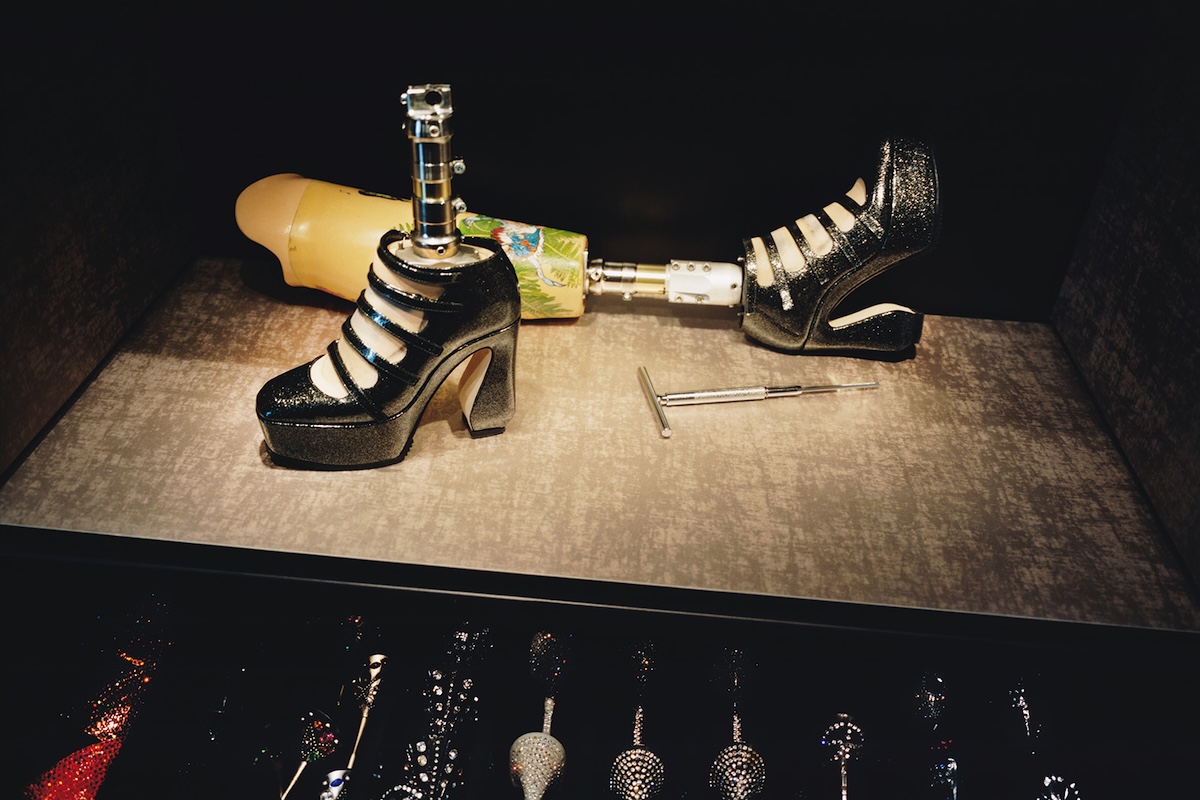
The “High Heel Project” was launched in 2011 by artist Mari Katayama with the goal of creating prosthetic legs capable of wearing high heels, enabling her to walk through the city and stand on stage in them.
The second phase of the project, which officially began in 2022, moved into a new stage: connecting and engaging in dialogue with diverse others in order to question the freedom of choice, welfare systems, and the possibilities of the body itself that should be available to everyone. Through this process, the project aims to advocate for every person’s “freedom to envision ideals.”
For this phase, Italian luxury shoe brand Sergio Rossi joined the project as a development partner for the high heels, while VOGUE CHANGE—a media platform introducing social issues and the latest domestic and international initiatives centered on diversity & inclusion, sustainability, and work & life—participated as a media collaborator. In addition, a sponsorship agreement was signed with Nabtesco Corporation, which provided the electronically controlled prosthetic legs “ALLUX2” for the project.


[Held / Implemented / Announced]
© Mari Katayama
●Development of the High Heels
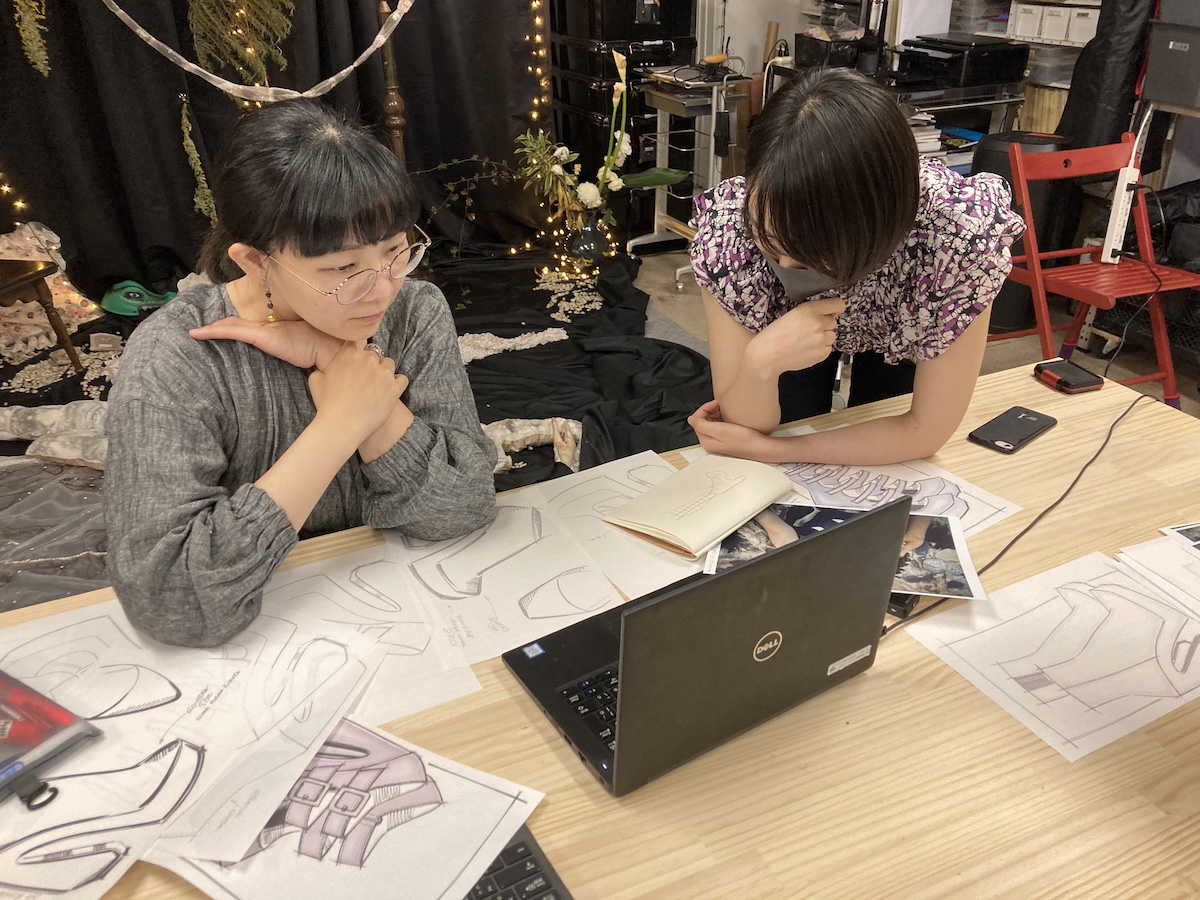
The development of the high heels took place from April to July 2022. In April, online meetings were held with Sergio Rossi’s Italy-based design team. Prototype fittings were subsequently conducted twice, in May and July. Based on advice from prosthetist and orthotist Eiji Tazawa of Tazawa Mfg. Co., adjustments were made to suit Katayama’s individual walking style.
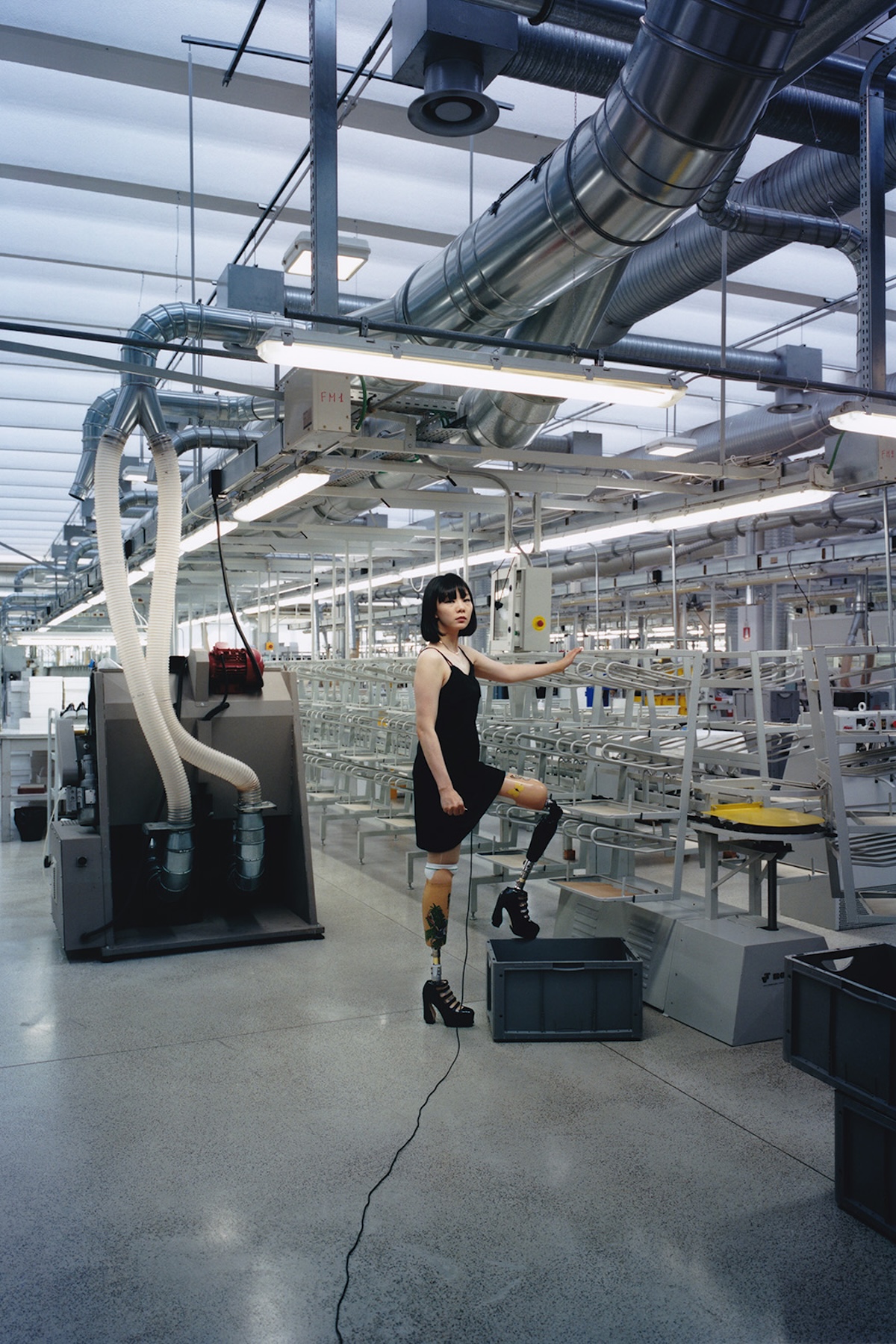
In July, Katayama traveled to Europe and visited Sergio Rossi’s factory in Italy, where she exchanged ideas with the designers and craftspeople involved in developing the heels. Wearing the completed high heels, she also conducted a photo shoot for new photographic works set within the factory.

Design meeting with Sergio Rossi
●Research and Public Communication
◯VOGUE
A series of articles was published on the online edition of VOGUE. Across six installments, the articles documented the project’s progress, beginning with an interview with Katayama about the project’s relaunch and continuing through the meetings and fitting processes with Sergio Rossi.
In parallel, dialogues were held with experts whose work resonated with the project’s themes, including engineer Ken Endo, a developer of sports prosthetics, and Asa Ito, an aesthetician and scholar specializing in disability and the body.
Beyond reporting on the project’s progress, the series also addressed broader social issues, including challenges within welfare systems encountered when choosing to “wear high heels with prosthetic legs.” In doing so, the articles conveyed the significance of this project as one that traverses the fields of art, fashion, and welfare.

◯Nabtesco
An important aspect of the project was the search for prosthetics suitable not only for walking in high heels, but also for Katayama’s daily life and artistic practice.
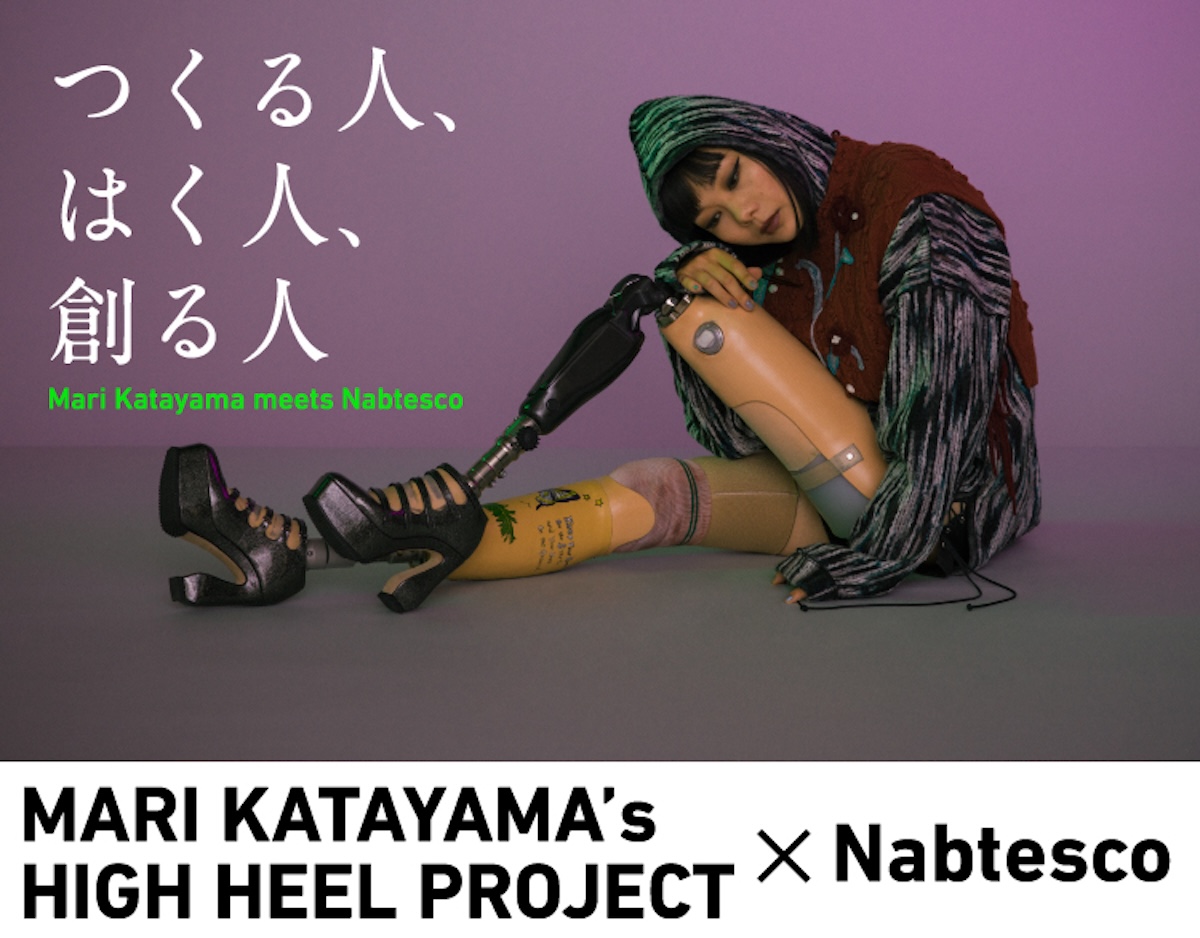
Through this process, Katayama encountered the electronically controlled prosthetic leg “ALLUX2,” developed by Nabtesco Corporation, leading to a sponsorship agreement between the company and the project. In addition to providing the “ALLUX2” prosthetic legs, Nabtesco launched a dedicated project website.
Katayama also visited Hyogo Prefecture, where “ALLUX2” is developed and manufactured, and engaged in dialogue with its developers. The dedicated website featured fashion shoots showcasing various types of footwear beyond high heels, in an effort to present “choices beyond high heels.”

Banner image for the special website created by Mari Katayama and Nabtesco
●Artwork Production
Several works were produced throughout the course of the project. First, special edition works were created and sold to support project fundraising. In addition, Katayama worked on new photographic pieces, including self-portrait works photographed during her visit to the Sergio Rossi factory. Further shoots were conducted at Sergio Rossi stores in Italy in December 2022, as well as during the signing ceremony for the sponsorship agreement with Nabtesco.


[Outcome]

The project was fortunate to receive support and collaboration beyond what had originally been anticipated. As a result, it successfully took its first steps toward achieving its aims: connecting and engaging in dialogue with diverse others, and through that process, raising questions about freedom of choice, welfare systems, and the possibilities of the body itself that should be accessible to everyone.
From fiscal year 2023 onward, the project plans to focus on communicating the idea of “freedom of choice” more broadly by appearing before audiences and engaging in conversations while wearing the completed high heels.
Specifically, a global release by Sergio Rossi is planned, and the collaboration with Nabtesco Corporation will continue. Talk events centered on “freedom of choice,” featuring Katayama traveling to various locations in high heels, are currently being prepared for implementation from 2023 onward. An exhibition of photographic works created during the project is also being planned.
© Mari Katayama
[Project Credits]
Artist: Mari Katayama
Studio Manager: Kazue Naka
Project Manager: Shoko Nishida
Collaborators: Sergio Rossi, VOGUE CHANGE, Supermoon Pictures, Nabtesco Corporation


[Related Sites]
“Mari Katayama’s High Heel Project Vol. 1” (VOGUE JAPAN)